Pablo Escobar Death: Cause, Shooter, and Aftermath for Family
When the most wanted drug lord in history died on a Medellín rooftop, the world assumed the story was over. But for Pablo Escobar’s family and the Colombian cocaine trade, December 2, 1993 was just the beginning.
Estimated net worth at peak: $30 billion (USD) ·
Year of death: 1993 ·
Cause of death: Shot by Colombian National Police ·
Organization founded: Medellín Cartel ·
Status: Deceased
Quick snapshot
- Escobar was shot by Colombian National Police on December 2, 1993 (Wikipedia (online encyclopedia))
- His wife María Victoria Henao fled Colombia and changed her identity (BBC News (UK broadcaster))
- The Medellín Cartel fragmented after his death (Wikipedia (online encyclopedia))
- The exact identity of the officer who fired the fatal shot
- Whether Escobar’s death was a clean shootout or an execution
- The precise total of his wealth at the time of death
- Dec 2, 1993: Escobar killed by Search Bloc after 16-month manhunt (ABC News (Australian public broadcaster))
- Cali Cartel rises to dominate cocaine trade (Wikipedia (online encyclopedia))
- Escobar’s son becomes architect under a new identity (BBC News (UK broadcaster))
Six key facts about Escobar’s life and death, gathered from police reports and biographical records, show the scale of the man and the operation that brought him down.
| Attribute | Value |
|---|---|
| Full name | Pablo Emilio Escobar Gaviria |
| Born | December 1, 1949, Rionegro, Colombia |
| Died | December 2, 1993, Medellín, Colombia |
| Cause of death | Gunshot wounds from police |
| Organization | Medellín Cartel |
| Peak net worth | Estimated $30 billion |
What caused the death of Pablo Escobar?
The rooftop chase and shootout
- Escobar was located through a phone call to his family, which allowed police to trace his position (Wikipedia (online encyclopedia))
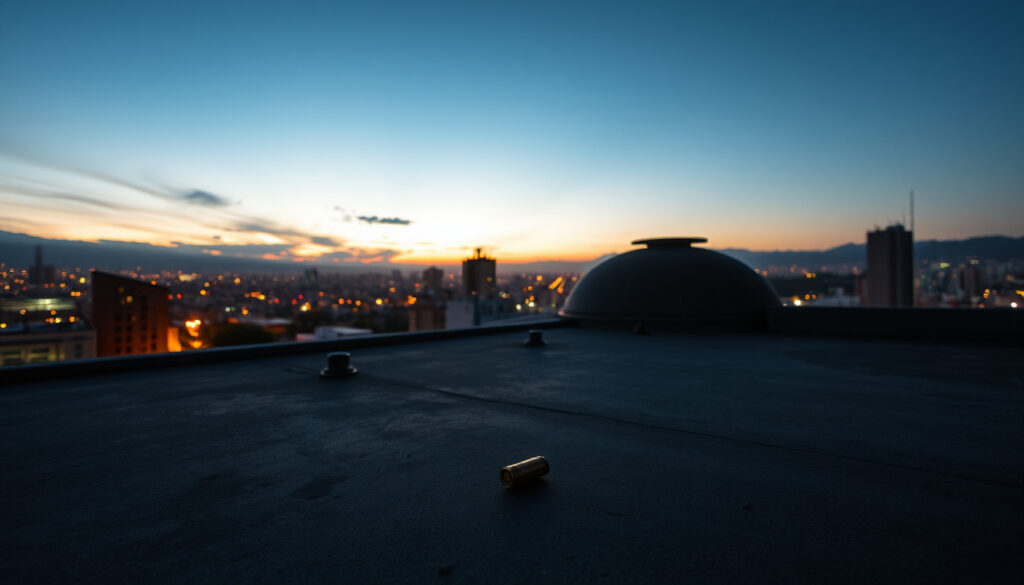
- On December 2, 1993, Colombian special forces from the Search Bloc cornered him on a rooftop in a middle-class neighborhood of Medellín (ABC News (Australian public broadcaster))
- He was hit in the leg, torso, and head during the confrontation
The role of the Search Bloc
- The Search Bloc (Bloque de Búsqueda) was a specialized police unit formed specifically to capture Escobar
- Colonel Hugo Martínez commanded the operation that day (The Mob Museum (organized crime history authority))
- Álvaro de Jesús Agudelo, known as El Limón, died alongside Escobar in the same operation
The death was not a random ambush — it was the culmination of a military-style manhunt that used surveillance and informants to narrow Escobar’s movements to a single block. The Search Bloc’s success effectively broke the back of the Medellín Cartel.
The precision of the manhunt and the finality of the operation illustrate how state power ultimately closed in on a fugitive who had eluded capture for months.
Who shot Pablo Escobar to death?
Members of the Search Bloc involved
- Multiple police officers fired at Escobar during the rooftop shootout
- No single individual is universally credited with the fatal shot. Contradictory accounts from witnesses and later investigations leave the identity disputed
The controversy around the exact shooter
- A competing narrative claims Escobar may have died by suicide rather than being killed by police
- The official record states that Escobar was killed in a firefight with the Search Bloc — not by a rival cartel
The lack of a clear shooter means the story remains a collective police victory rather than a single hero’s narrative. For the Colombian government, that ambiguity helped avoid glorifying one officer, but it also fueled decades of conspiracy theories.
The ambiguity continues to fuel speculation decades later.
What did Escobar’s wife do after he died?
María Victoria Henao’s life in hiding
- María Victoria Henao, Escobar’s widow, fled Colombia with her two children shortly after his death
- She changed her identity and moved to Argentina under a false name to avoid persecution and threats
- She later wrote a memoir titled Surviving Pablo Escobar, published by Penguin Random House (Penguin Random House (book publisher))
The legal troubles of Escobar’s family
- Henao faced legal charges in Argentina related to money laundering
- Their son, Juan Pablo Escobar Henao, publicly changed his name to Sebastián Marroquín to distance himself from his father’s legacy
- Marroquín became an architect and published a book about his father’s life
The family’s story is one of survival under a legacy of violence.
Who was the reporter who slept with Pablo Escobar?
Virginia Vallejo’s relationship with Escobar
- Virginia Vallejo, a well-known Colombian television journalist, had a romantic relationship with Pablo Escobar during the 1980s (Wikipedia (online encyclopedia))
- She later wrote a memoir titled Loving Pablo, Hating Escobar, which details their affair and his criminal operations
Her subsequent testimony and book
- Vallejo’s testimony was used in Colombian legal cases against other cartel members
- Her book was adapted into a film starring Javier Bardem and Penélope Cruz
Who was Pablo Escobar most afraid of?
Fears of extradition to the United States
- Escobar feared extradition to the United States above all else, as it would mean facing trial in a federal system he could not control
- In 1991 he negotiated a no-extradition deal with the Colombian government, surrendering to a self-built luxury prison called La Catedral
Enemies within the Colombian government
- He also feared assassination by rival cartels, especially the Cali Cartel, which was actively working with authorities to bring him down
- He had a documented fear of certain police commanders, particularly those from the Search Bloc who had penetrated his network
His fear of extradition ultimately dictated his decisions.
Timeline: Escobar’s rise and fall
- 1976–1980s: Escobar founds the Medellín Cartel and becomes one of the richest criminals in history, with an estimated net worth of $30 billion. (Netflix (streaming platform))
- 1991–July 1992: Escobar surrenders in 1991 and is imprisoned in his own luxury prison, La Catedral; he escapes in July 1992 after the government attempts to move him. (The Mob Museum (organized crime history authority))
- December 2, 1993: Escobar is killed by the Search Bloc in a rooftop shootout in Medellín. (Wikipedia (online encyclopedia))
What we know — and what’s still disputed
Confirmed facts
- Escobar was killed on December 2, 1993. (BBC News (UK broadcaster))
- He was shot by members of the Colombian National Police. (Wikipedia (online encyclopedia))
- His wife fled to Argentina after his death. (ABC News (Australian public broadcaster))
- The Medellín Cartel fragmented immediately after his death. (Wikipedia (online encyclopedia))
What’s unclear
- The exact identity of the officer who fired the fatal shot.
- The precise total of his wealth at the time of death.
- Whether his death was a clean shootout or an execution.
- Conflicting accounts about whether he died by suicide.
These gaps highlight the challenges of reconstructing events from conflicting accounts.
Quotes from those who were there
“We tracked him via a phone call to his family and cornered him on the roof. It was over in minutes.”
— Colonel Hugo Martínez, Search Bloc commander, as cited in The Mob Museum (organized crime history authority)
“I had to change my name, my country, my entire life. The Escobar name was a death sentence.”
— María Victoria Henao, writing in Surviving Pablo Escobar (Penguin Random House (book publisher))
“He was terrified of being sent to the United States. That fear controlled everything he did.”
— Virginia Vallejo, former lover, in Loving Pablo, Hating Escobar (Wikipedia (online encyclopedia))
For the people of Medellín, Escobar’s death did not end the violence overnight — but it did end the cartel’s stranglehold on the city’s neighborhoods. For the surviving family, the choice was clear: disappear or die. In Argentina, under false names, they are still living with that choice.
For Colombia, the lesson was painful but decisive: the state could eventually defeat even the richest drug lord — but dismantling his legacy would take decades.
The confusion surrounding the name Escobar often leads to comparisons with the Medellín cartel boss, as seen in the Agustín Escobar helicopter crash that killed a Siemens manager.
Frequently asked questions
How old was Pablo Escobar when he died?
He was 44 years old. He died one day after his 44th birthday.
Where was Pablo Escobar killed?
He was killed in a middle-class neighborhood in Medellín, Colombia, on a rooftop.
Was Pablo Escobar killed by a rival cartel?
No. He was killed by the Colombian National Police’s Search Bloc. Rival cartels aided the police with intelligence, but the shooting was carried out by state forces.
Did Pablo Escobar have a funeral?
Yes, his funeral drew more than 25,000 people. He was buried at Monte Sacro Cemetery in Medellín.
What happened to Pablo Escobar’s money after his death?
The bulk of his fortune was seized by the Colombian government or lost as the cartel fragmented. Exact amounts remain unknown.
Who was the head of the Search Bloc that killed Escobar?
Colonel Hugo Martínez commanded the Search Bloc operation that led to Escobar’s death.
Is Pablo Escobar’s son still alive?
Yes, his son Sebastián Marroquín (formerly Juan Pablo Escobar Henao) is alive and works as an architect in Argentina.
More related posts
 What Month Is September – Calendar History And Culture
 Laura Fraser Movies and TV Shows – Three-Decade Career Overview
 Air Force 1 Plane – Interior, Defenses and Costs
 How to Fix Slow Startup Windows – Fixes for Windows 10/11
 Thomas the Tank Engine – Guide to Characters, History and Toys
 Best Cream for Eczema: What Works, According to Experts
 India Women’s National Cricket Team vs England Women’s National Cricket Team Match Scorecard – Historic 2025 Tour Results
 Ghost of Tsushima PS5: Director’s Cut Review & Upgrade Guide