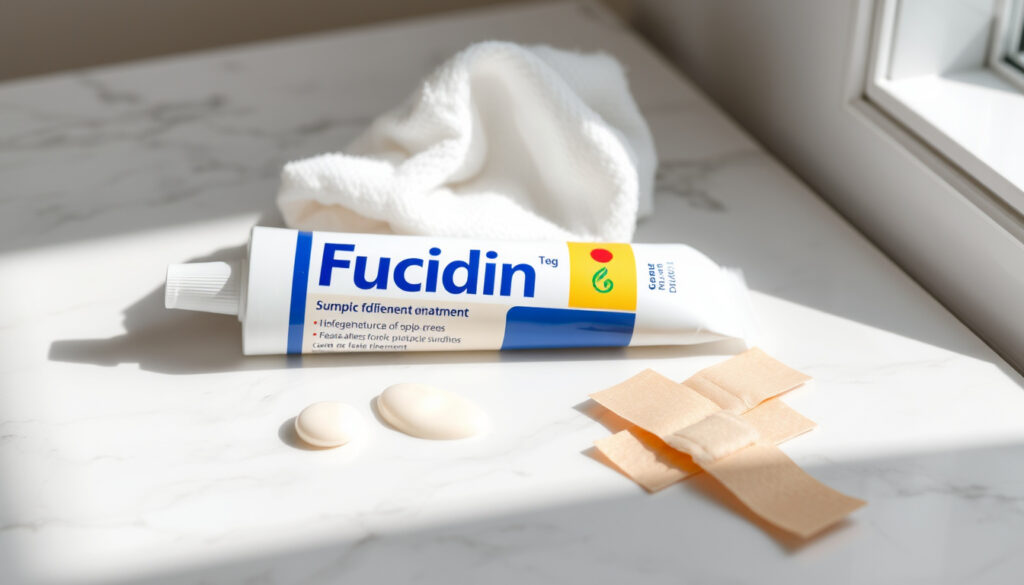
What Is Fucidin Cream Used For? Guide to Uses & Application
If you’ve noticed crusty, reddish patches on your child’s skin — or your own — that seem to spread quickly, you’re probably wondering what’s going on and how to stop it. Impetigo is one of those common skin infections that tends to crop up unexpectedly, and Fucidin cream is one of the most frequently prescribed treatments for it in the UK. Based on official NHS guidance and package leaflets, here’s what you actually need to know before using it.
Active ingredient: Fusidic acid 20 mg/g · Primary uses: Bacterial skin infections like impetigo · Typical duration: 1-2 weeks · Prescription status: Prescription-only · Common bacteria targeted: Staphylococcus aureus
Quick snapshot
- Effectiveness for fungal infections
- Use on pimples or acne
- MHRA issued fusidic acid safety update: October 2020 (MHRA GOV.UK)
- UKHSA stewardship guidelines updated: 2022 (MHRA GOV.UK)
What skin infections does Fucidin treat?
Fucidin cream is a topical antibiotic designed specifically for bacterial skin infections. The NHS states that Fucidin cream is used to treat conditions where the skin is infected by germs (bacteria), such as impetigo.
Impetigo
Impetigo is the most common condition treated with Fucidin cream. It is a highly contagious bacterial skin infection often presenting as crusty, reddish patches or blisters, typically around the nose and mouth. According to the NHS, impetigo is frequently treated with topical antibiotics like Fucidin cream as a first-line option for mild cases.
The treatment is effective against Staphylococcus aureus, the primary cause of impetigo. The BNF (British National Formulary) confirms that fusidic acid is effective against most staphylococcal infections.
Infected eczema and dermatitis
Fucidin is also used when inflammatory skin conditions like eczema become secondarily infected with bacteria. The MHRA (Medicines and Healthcare products Regulatory Agency) issued a warning in October 2020 about using fusidic acid in atopic dermatitis due to resistance concerns — resistance to fusidic acid has been reported in up to 5% of S. aureus isolates in the UK.
For widespread impetigo, oral antibiotics may be preferred over topical Fucidin according to NHS guidance.
How long does Fucidin cream take to work?
Understanding the timeline helps you know whether treatment is working or whether you need to seek further medical advice.
Typical treatment duration
The NHS recommends applying Fucidin cream three times daily for 7–10 days. The BNF lists fusidic acid or mupirocin as first-line topical options for impetigo. According to official NHS guidance, apply fusidic acid cream or ointment thinly 3 or 4 times a day for 7 to 10 days.
When to expect improvement
Improvement is usually seen within 48 hours of starting Fucidin for impetigo, according to NHS sources. However, it’s important to continue treatment for the full course even if symptoms improve to prevent resistance.
The implication: if you’re not seeing any improvement after two days, contact your GP — the infection may be resistant to fusidic acid or require oral antibiotics.
Most patients see visible improvement within 48 hours. If nothing changes by day 3, your doctor may need to switch you to a different antibiotic or recommend oral treatment.
Where do you put Fucidin ointment?
Proper application technique matters — using it wrong can reduce effectiveness or increase side effects.
Application instructions
The NHS provides clear instructions: apply Fucidin cream thinly to clean, dry affected skin, using clean fingers or an applicator, three times a day. Wash hands before and after applying Fucidin to avoid spreading infection.
According to SPS NHS guidance, Fucidin ointment is preferred over cream for dry lesions, while cream is better for moist lesions — both contain 2% fusidic acid.
How much to apply
A thin layer is sufficient — more isn’t better. Do not cover the treated area with airtight dressings unless specifically advised by your doctor or pharmacist. Children should use the same application method as adults, but parents should consult a GP for children under 1 year old.
Using a thin layer reduces the risk of skin irritation while maintaining therapeutic effect. Covering the area can trap moisture and worsen certain infections.
Where not to use Fucidin cream?
Fucidin isn’t a general-purpose skin cream — there are specific areas and situations where it should be avoided.
Avoid eyes and mucous membranes
The NHS advises not to use Fucidin on eyes, nose, mouth, or open wounds unless specifically directed by a healthcare professional. Patient.info lists hypersensitivity (allergy to fusidic acid) as a contraindication for Fucidin.
Not for viral or fungal infections
Fucidin is an antibiotic — it only works against bacteria. It will not treat viral infections like cold sores or fungal infections like athlete’s foot. The research notes indicate that effectiveness for fungal infections is unclear and generally not supported.
Additionally, topical Fucidin monotherapy is not recommended if MRSA (Methicillin-resistant Staphylococcus aureus) is suspected, according to BNF guidance. In such cases, alternative antibiotics would be required.
The catch: patients sometimes use Fucidin for conditions it wasn’t designed for (like acne or pimples), which drives unnecessary resistance and delays appropriate treatment.
Resistance to fusidic acid has been reported in up to 5% of S. aureus isolates in the UK, according to MHRA data. This is why guidelines updated in 2022 to emphasize antimicrobial stewardship — using the drug only when genuinely needed.
What are common Fucidin cream side effects?
Like all medicines, Fucidin can cause side effects — though most people tolerate it well.
Skin irritation
The NHS lists common side effects of Fucidin cream as mild irritation, redness, or itching at the application site. Patient leaflets report a burning sensation in 1–10% of users, according to the Medicines.org.uk Patient Information Leaflet.
Rare allergic reactions
Rare but serious side effects include allergic reactions like rash, swelling, or difficulty breathing. The MHRA warned in 2020 of rare severe skin reactions with fusidic acid, including DRESS syndrome (Drug Reaction with Eosinophilia and Systemic Symptoms). If you experience any severe reaction, seek immediate medical help.
Pregnancy category requires careful consideration: use only if benefit outweighs risk per NHS guidance. Always discuss any medications with your doctor or pharmacist if you are pregnant or breastfeeding.
For most patients, Fucidin is well-tolerated with minimal side effects. But the rare risk of severe allergic reactions means you should stop treatment and seek help if you develop a widespread rash, swelling, or breathing difficulties.
| Label | Value |
|---|---|
| Strength | 20 mg/g fusidic acid |
| Form | Cream or ointment |
| Target bacteria | Staphylococcus aureus |
| Treatment length | 1-2 weeks |
| Improvement expected | 48 hours |
| NHS cost (15g tube) | £5.92 |
How to apply Fucidin cream step by step
- Wash your hands thoroughly with soap and water before handling the cream.
- Clean and dry the affected area gently with clean water and pat dry.
- Squeeze a small amount of Fucidin cream onto your fingertip — a pea-sized amount is usually enough for a patch the size of your hand.
- Apply a thin layer to the affected skin only, rubbing it in gently.
- Wash your hands again after application to prevent spreading the infection.
- Repeat this process 3 times daily, or as directed by your doctor or pharmacist.
- Complete the full course of 7–10 days even if symptoms improve earlier.
Do not share your Fucidin cream with others, even if they have similar symptoms. The medication is prescribed specifically for your infection.
Facts you can trust vs. things that are unclear
Not everything you’ll read about Fucidin is equally well-supported by evidence. Here’s a practical breakdown:
Confirmed facts
- Fucidin contains fusidic acid 2% (an antibiotic)
- Effective against Staph aureus skin infections
- Apply to clean skin 3–4 times daily
- Improvement typically seen within 48 hours
- Treatment course: 7–10 days
- Prescription-only in the UK
What’s unclear or unproven
- Effectiveness for fungal infections (Fucidin is for bacteria, not fungi)
- Use on pimples or acne (not an approved indication)
- Use on sensitive areas like the anus (not studied for this purpose)
- Long-term resistance rates beyond 2020 data
“Apply fusidic acid cream or ointment thinly 3 or 4 times a day for 7 to 10 days.”
— NHS.uk (National Health Service)
“Fusidic acid is effective against most staphylococcal infections.”
— BNF NICE (British National Formulary)
The pattern across these authoritative sources is consistent: Fucidin works well for staphylococcal skin infections when used correctly, but its effectiveness depends on completing the full course and avoiding inappropriate use for viral or fungal conditions.
Related reading: Pharmacy First Scheme · How to Get Rid of Gum Disease
Fucidin cream primarily treats impetigo and infected eczema with fusidic acid, just as outlined in this impetigo and eczema guide from Weekly Review.
Frequently asked questions
Is Fucidin good for healing?
Fucidin is an antibiotic — it kills bacteria causing the infection, which allows the skin to heal. It doesn’t directly “heal” skin like a moisturizer; rather, it treats the bacterial infection so healing can occur naturally.
Does Fucidin work quickly?
Most people see improvement within 48 hours according to NHS sources. However, you should continue applying it for the full 7–10 day course to prevent resistance.
What are the symptoms of a bacterial infection?
Common signs include reddened, itchy skin, crusty patches (especially around nose/mouth), fluid-filled blisters, and warmth in the affected area. If you’re unsure whether your skin condition is bacterial, consult a pharmacist or GP.
Can I use Fucidin cream on my anus?
Fucidin is not typically recommended for use on mucous membranes or sensitive areas like the anus unless specifically prescribed by a doctor. The NHS advises avoiding use near the mouth and open wounds unless directed.
Can I use Fucidin cream on my face?
Fucidin can be used on the face, but avoid the eyes, nose, and mouth. Apply only to the affected areas and wash hands thoroughly after application. If the infection is near your eyes, consult a doctor before use.
Is Fucidin cream used for fungal infection?
No. Fucidin is an antibiotic that only works against bacteria, not fungi. Using it for fungal infections like athlete’s foot is ineffective and contributes to antibiotic resistance.
What is Fucidin H cream used for?
Fucidin H cream contains fusidic acid (antibiotic) plus hydrocortisone (steroid). It’s used for infected eczema where inflammation needs to be reduced alongside treating the bacterial infection. This is different from plain Fucidin cream and requires careful medical supervision due to the steroid component.
More related posts
 Anton Du Beke: Wife Illness, Name Change & Salary
 £100 in Euros: Best Rates, Hidden Fees & How to Save
 Southampton vs Arsenal Timeline: FA Cup Result & History
 Pension Age Disability Payment Guide: Rates & Eligibility
 The Thick Of It – Clever Political Satire Analysis
 BBC Radio 5 Live Sports Extra: How to Listen UK & Abroad
 Best Earplugs for Sleeping – Top Lab-Tested Picks
 Is Hamza Yassin Married – Countryfile Star Single in 2025